Gas vs Renewables
in Victoria: A Balanced
View
A practical, measured look at one of the most important energy debates facing Victorian homeowners, businesses, and policymakers today.
A Complex Transition,
Not a Simple Battle
In Victoria, a significant and sometimes confusing debate is unfolding about the future of energy. Advertisements promoting the benefits of gas are appearing on television, while governments, industry groups, and technology providers are promoting electrification and renewables as the path forward.
For homeowners, businesses, and policymakers alike, the conversation can feel polarised: gas versus renewables. But the reality is far more nuanced. This is not simply a battle between two opposing energy sources. It is a complex transition involving energy reliability, economic interests, climate policy, infrastructure investment, and the evolution of technology.
This editorial presents a balanced view. Rather than framing the debate as a conflict, it is more accurate to view it as a structural transition that will unfold over many years. Understanding the forces behind this shift helps explain why the conversation has become so prominent in Victoria today — and why it matters deeply for the decisions households and businesses are making right now.
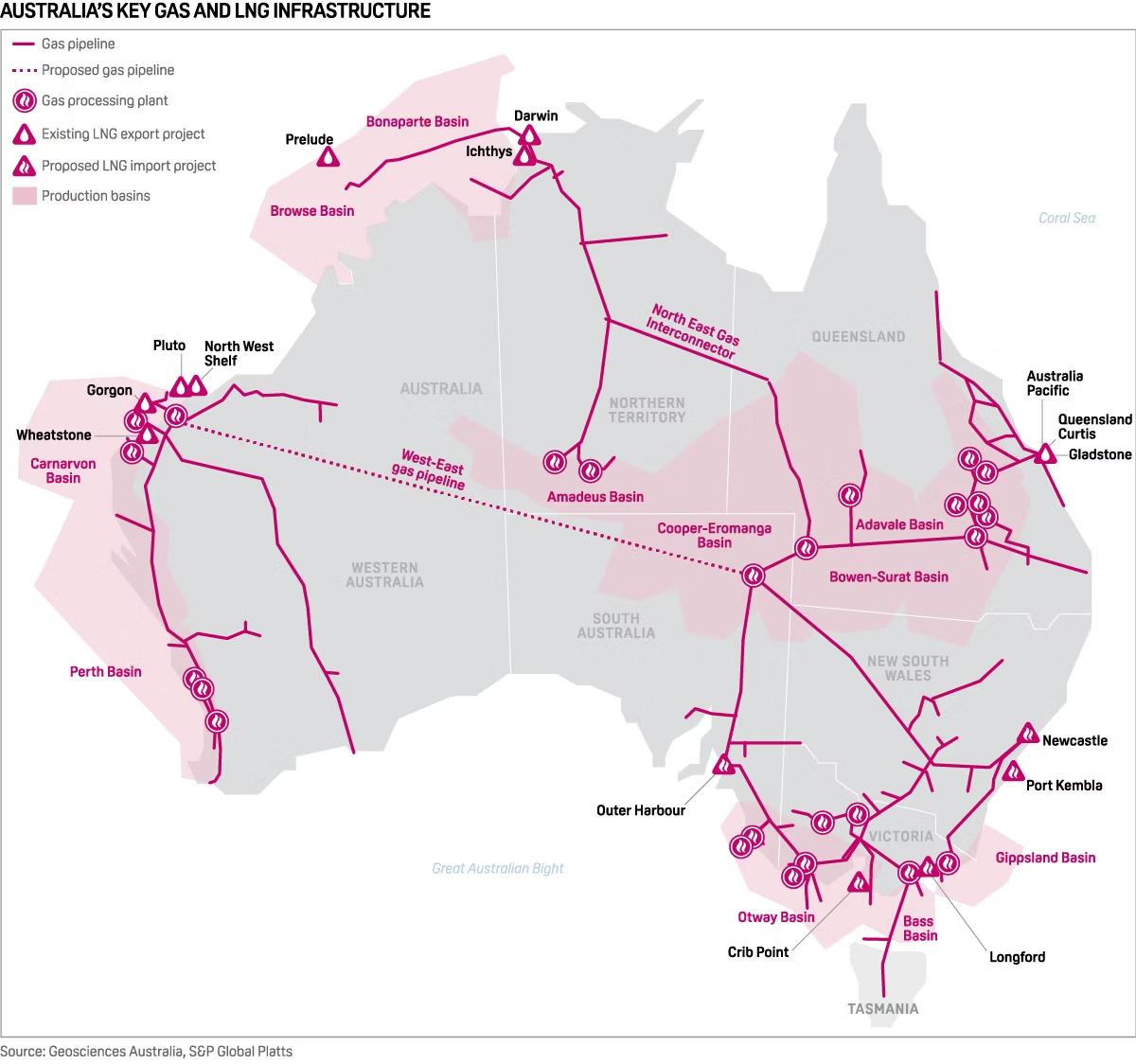
Australia's gas pipeline network, built over generations, has been foundational to how the country heats its homes and powers its industry.
Why Gas Has Historically
Been Important
For many decades, natural gas has been a cornerstone of Victoria's energy system. The state benefited enormously from the development of gas resources in Bass Strait, which supplied homes, businesses, and industry with abundant and relatively inexpensive fuel.
What followed was the construction of one of Australia's most extensive gas distribution networks — a system that became deeply woven into the fabric of everyday Victorian life. Gas offered several distinct advantages that made it attractive for widespread adoption across the state.
Locally Produced
Abundant and produced domestically from Bass Strait fields, keeping costs competitive and supply chains short for several generations.
Affordable for Households
Relatively cheap compared to alternatives for most of its history, making it the default choice for household heating, hot water, and cooking.
Extensive Distribution
Easily distributed through an expansive pipeline network reaching metropolitan and regional communities across the state.
Grid Flexibility
Gas power stations could start up quickly, making them invaluable for balancing the electricity grid during demand spikes or generation shortfalls.
For many years, gas was even considered a "transition fuel" — seen as cleaner than coal while renewable technologies matured to commercial scale. That framing has since become more contested, but it reflects the genuine role gas played in bridging an earlier phase of the energy transition.
However, the context has changed significantly. Gas fields in Bass Strait are in decline, and Australia now exports large volumes of liquefied natural gas internationally, often prioritising export markets over domestic supply. These structural shifts have pushed up domestic gas prices and created new supply challenges for Victorian households and businesses. The energy system is evolving — and that evolution changes the calculation for every household on the network.

Victoria has one of the highest rates of rooftop solar uptake in the world — for those households, the financial case for switching gas appliances is becoming increasingly persuasive.
The State Most Exposed
to This Transition
Victoria stands out as the most gas-dependent state in Australia when it comes to household energy use. More than two million Victorian homes currently rely on gas for heating, hot water, or cooking — a scale of reliance that has no direct parallel elsewhere in the country.
This widespread reliance developed over decades as gas networks expanded across metropolitan and regional areas. Installing gas heating or hot water became the default when homes were built or renovated — partly because of cost, partly because of existing infrastructure, and partly because it was what builders and plumbers knew how to do. The habit became structural.
As a result, transitioning away from gas is not a minor policy adjustment. It represents a large-scale structural shift affecting infrastructure, appliances, building design, and household behaviour all at once. Appliances have long lifespans, infrastructure has been built over generations, and households must make decisions based on cost, reliability, and day-to-day convenience — not energy policy abstractions.
This is one of the reasons Victoria has become such an important case study in the global electrification movement. What works — or doesn't work — here will offer lessons for gas-reliant communities around the world.
Government Direction:
Electrification
The Victorian Government has been gradually setting a direction toward electrification as part of its broader climate and energy strategy. While policy details continue to evolve, the overall trajectory is clear: new homes, new appliances, and new infrastructure investments are increasingly expected to be electric-first rather than gas-dependent.
Electrification means replacing appliances that burn fuels such as gas with technologies that run on electricity. When that electricity increasingly comes from renewable sources such as solar and wind, the overall emissions from homes and businesses fall dramatically — and so do the combustion products that affect indoor air quality. The logic is compelling once the numbers are understood.
Electric-Only New Homes
Encouraging or requiring new residential construction to be built without gas connections, reducing the long-term footprint of the gas network.
Appliance Transition Support
Supporting households to replace aging gas appliances with efficient electric alternatives such as heat pumps and induction cooktops.
Renewable Energy Expansion
Investing in large-scale solar and wind generation across the state, supported by expanded transmission infrastructure and energy storage.
Grid Modernisation
Building the battery storage, pumped hydro, and smart grid technologies needed to make a renewable-dominated system reliable and resilient.
The underlying logic is straightforward. Instead of burning gas inside individual homes, energy can be generated more efficiently at scale through renewable electricity and distributed through the power grid. For homeowners considering appliance upgrades or renovations, these policy signals matter — they shape the financial incentives available and the long-term direction of the market.
Why Gas Companies
Are Advertising
The advertisements promoting gas that many Victorians have been seeing on television and online are not simply about informing consumers. They are part of a broader, high-stakes debate about the future of the gas industry — and about who bears the cost of a major infrastructure transition.
Gas infrastructure companies operate extensive networks of pipelines representing enormous long-term capital investments. If millions of households gradually move away from gas appliances, demand on these networks will inevitably decline. When demand decreases, the fixed costs of maintaining the network must be spread across fewer customers — creating a compounding financial pressure as customers leave, and in turn encouraging further departures.
Reliability Messaging
Gas provides dependable heating during winter cold snaps — a genuine and legitimate concern for many households.
Economic Argument
Gas supports Australian manufacturing, industry, and jobs — a real consideration at the national economic level.
Future Fuels Case
Hydrogen or biomethane could eventually replace fossil gas, preserving network infrastructure for a lower-emissions future.
These arguments reflect genuine industry concerns about how the transition will affect infrastructure investment, employment, and long-term commercial viability. They are not simply misinformation campaigns — they are the voice of an industry navigating a structural challenge. At the same time, the advertising campaigns are part of a broader conversation about the pace and terms of the transition. For Victorian homeowners watching these advertisements, understanding that context is important.
The Reliability Question
Deserves a Straight Answer
One of the most common and legitimate arguments in favour of maintaining gas in the energy system relates to reliability. It is an argument that deserves to be taken seriously rather than dismissed, because energy reliability is not an abstract concern — it has real consequences for households, hospitals, industries, and the economy.
Renewable energy sources such as solar and wind are intermittent by nature. As renewable penetration increases, managing fluctuations in supply becomes more technically demanding. Historically, gas-fired power stations played a central role in stabilising the electricity grid during periods of high demand or low renewable output.
- Fast start, reliable on demand
- Weather-independent generation
- Declining domestic supply from Bass Strait
- Intermittent (solar, wind) — improving
- Improving storage solutions rapidly
- Demand management and transmission investment
However, the energy system is evolving to manage this challenge in new ways. Large-scale batteries — such as the Victorian Big Battery — pumped hydro storage projects, improved transmission networks, and sophisticated demand management technologies are increasingly used to balance renewable generation. The economics of storage are improving rapidly, and the pipeline of new projects is substantial.
While gas may still play a role in providing backup power during the transition, its importance as a reliability backstop is expected to diminish meaningfully as storage technologies improve and renewable capacity continues to expand across the National Electricity Market.

Heat pump hot water systems are three to five times more efficient than gas equivalents — one of the most impactful single upgrades available to Victorian households.
Modern Electric Technologies
Are Significantly More Efficient
Supporters of electrification argue that modern electric technologies are not simply cleaner alternatives to gas appliances — they are, in many cases, significantly more efficient. This efficiency advantage is one of the most important and least-understood aspects of the transition debate, and it changes the economics of switching considerably.
Heat Pump Hot Water
Heat pump systems are three to five times more efficient than traditional gas hot water heaters. They move heat rather than generate it, dramatically reducing energy consumption and ongoing costs.
Reverse-Cycle Heating
Modern reverse-cycle systems provide both heating and cooling at efficiencies that gas ducted heating cannot match, especially when paired with rooftop solar generation.
Rooftop Solar and Batteries
Electrified homes with rooftop solar and battery storage can generate and store much of their own energy, reducing exposure to fluctuating grid prices and gas tariff increases.
Indoor Air Quality
Electrification eliminates combustion emissions inside homes, improving indoor air quality — an issue of growing concern as research into the health impacts of gas cooking receives more attention.
When combined with rooftop solar panels, electrified homes can generate much of their own energy, reducing exposure to fluctuating fuel prices. Batteries and smart energy management systems can further increase independence from the grid. Victoria already has one of the highest rates of rooftop solar uptake in the world — for those households, the financial case for switching gas appliances is becoming increasingly persuasive.
In many cases, households that transition away from gas can reduce their overall energy costs over time, particularly as the fixed charges associated with maintaining a gas connection continue to rise. These combined benefits are driving increasing interest in electric technologies across both residential and commercial buildings throughout Victoria.
The Middle Ground:
A Transition, Not a Switch
Despite the passionate arguments on both sides of the debate, the energy transition is unlikely to be an overnight change. Infrastructure transitions of this scale — affecting millions of homes, thousands of kilometres of pipelines, and many decades of embedded building practice — take time to unfold.
Gas is likely to remain important in certain sectors for many years, particularly in heavy industry, chemical manufacturing, and some forms of electricity generation where alternatives are not yet fully developed at commercial scale. The industrial sector presents genuinely difficult decarbonisation challenges — the heat intensity required for processes like steel or glass manufacturing means that electrification is not always straightforward or cost-competitive today.
At the same time, electrification is clearly expanding rapidly across the residential and commercial sectors as technology improves and renewable electricity becomes more abundant and affordable. Rather than viewing the issue as a battle between gas and renewables, it is far more useful — and more accurate — to see it as a gradual, managed evolution of the energy system, with different timelines applying to different sectors and types of infrastructure.
"For homeowners navigating this transition right now, the practical question is not ideological. It is: when my gas appliance needs replacing, what is the best long-term investment for my home? Increasingly, the answer is electric."
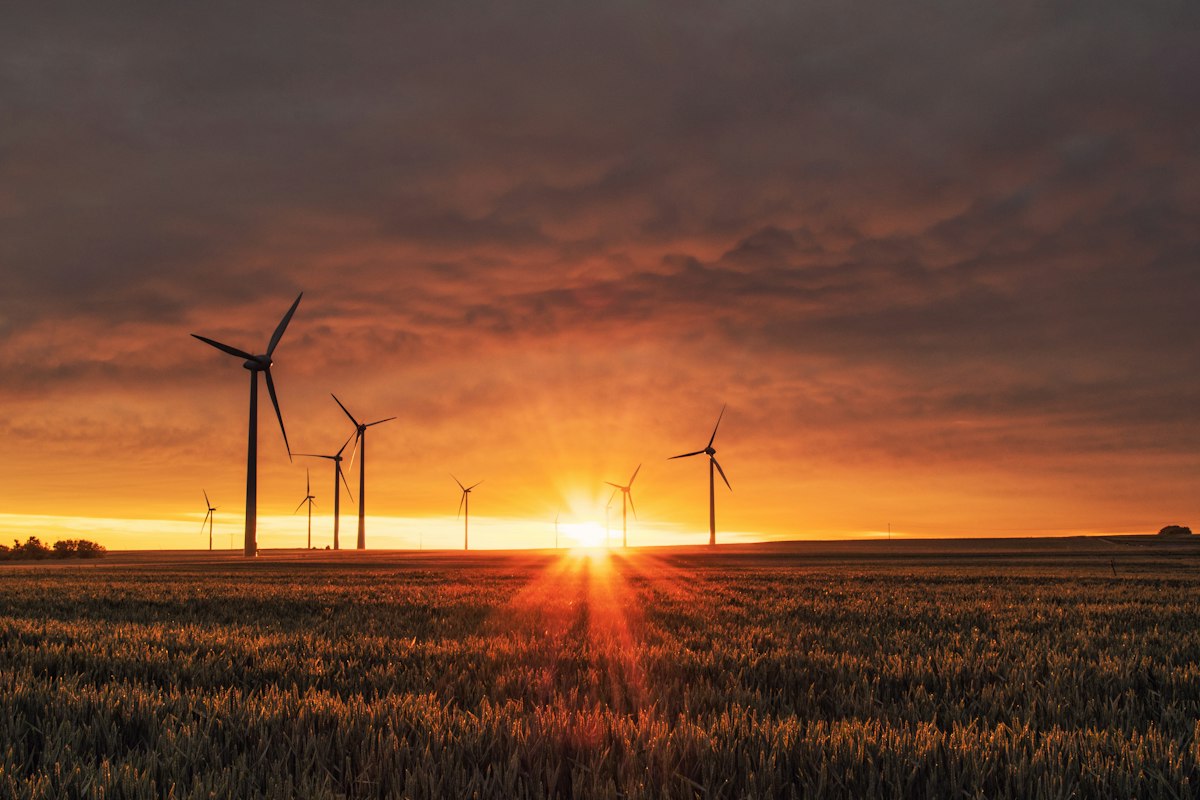
Victoria is expanding its renewable generation capacity rapidly. As wind and solar costs fall and storage improves, the economics of electrification continue to strengthen.
The Direction Is Clear.
The Pace Is the Question.
When the entire picture is considered, the direction of travel is clear. Electrification powered by renewable energy is becoming the dominant pathway for future energy systems around the world — not because of ideology, but because the economics, technology, and environmental logic increasingly point in the same direction. Victoria is not merely observing this global trend from a distance; it is living it in real time.
That does not mean gas will disappear overnight, nor does it erase the significant role gas has played in building the modern Victorian energy system. Millions of homes are still connected to the gas network, billions of dollars of infrastructure still operate across the state, and many households and businesses will continue relying on gas for years to come. What it does mean is that the balance between fuels is shifting — as technology improves, as economics change, and as environmental priorities become embedded in policy and investment decisions at every level.
Victoria sits at the centre of this transition because of its unusually heavy reliance on gas and its strong policy support for renewable energy. The lessons learned here — about what works, what costs are reasonable, and what support households need — will matter far beyond Victoria's borders.
Acknowledge the History
Gas built Victoria's energy system. That legacy deserves recognition, not dismissal, as the transition is planned and managed.
Understand the Direction
Electrification powered by renewables is where the economics and technology are heading. The direction is clear, even if the pace is contested.
Make Practical Decisions
Energy decisions should be based on reliability, long-term costs, and the technologies best suited to each building's individual needs.
Allow for a Managed Transition
A rapid, disorderly shift creates risks. A well-planned, well-supported transition protects households, businesses, and the integrity of the grid.
For homeowners and businesses, the most sensible approach is not ideological but practical. The transition will not happen overnight, but it is well underway — and understanding the forces driving it is the first step toward making good decisions in the years ahead.
Trent Jones is the Founder and Managing Director of All Electric Homes, a Melbourne-based electrification company delivering whole-of-building gas-to-electric transitions for residential, strata, and local government clients across Victoria. He is a qualified electrician with over 20 years of industry experience.
"Increasingly, electrification powered by renewable energy is proving to be a compelling option. The transition will not happen overnight, but it is well underway."— Trent Jones, March 2026
Sources & References
- AEMO — Gas Statement of Opportunities
- energy.vic.gov.au — Victorian Energy Policy
- energy.vic.gov.au — Victorian Energy Upgrades (VEU)
- solar.vic.gov.au — Solar Victoria Programs
- ACCC — Gas Inquiry 2024
- ESC Victoria — Energy Retail & Network Regulation
- premier.vic.gov.au — Victorian Energy Announcements
- All Electric Homes — About Us