Victorian Ceiling Insulation Rebate: Who Qualifies and How to Apply
Find out who qualifies for Victoria’s new ceiling insulation discount, what it could take off your quote and what to check before you book.
All Electric Homes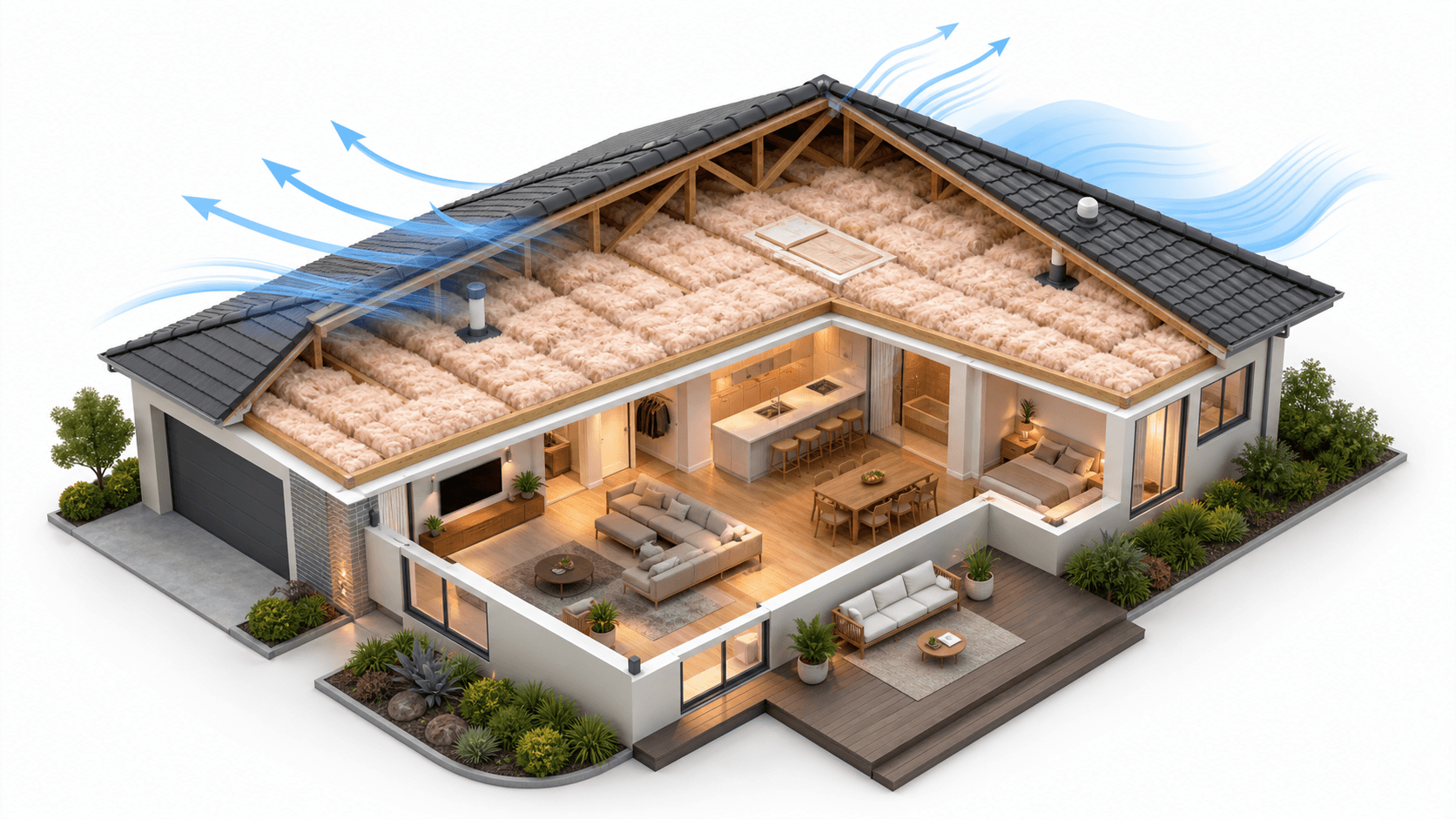
If your home heats up quickly in summer or loses warmth as soon as the heater goes off, it’s worth checking what’s in the ceiling. Since 1 October 2026, eligible Victorian households have been able to get an upfront ceiling insulation discount through Victorian Energy Upgrades (VEU). Solar Victoria’s rollout announcement.
The short version: The VEU discount can cover eligible uninsulated ceilings, roof-hung reflective foil only, or existing uncompressed insulation averaging below R2.0. The new approved insulation must achieve at least R5.0. That’s separate from the rental standard, which requires R5.0 in eligible bare ceiling areas from 1 March 2027 when a new lease starts or an existing lease becomes month-to-month.
How much is the discount?
The Victorian Government estimates the discount can cover around 30–50% of a typical installation. For an example 150 m² home, it estimates up to $1,500 in metropolitan Melbourne or up to $2,100 in a colder regional climate zone. Those are examples, not guaranteed amounts. Your location, the area being insulated, installation costs and certificate prices affect the quote. The minimum customer contribution is $200 including GST; your actual out-of-pocket cost can be higher. Victorian Government discount guide.
Does my home qualify?
- Check what’s already there. The scheme covers eligible ceilings with no insulation, roof-hung reflective foil only, or existing uncompressed insulation averaging below R2.0. If coverage is patchy or a section has newer insulation, ask the provider to assess the whole ceiling rather than assuming the bare section qualifies on its own.
- Check what’s above the ceiling. The upgrade is for ceilings directly below a roof or roof cavity, not another storey. Houses and some top-floor apartments can qualify. The ceiling and the relevant structure beneath it generally need to be outside the five-year new-construction window, so flag any recent extension.
- Check permissions. Renters need the rental provider’s approval. Apartment owners should check whether the roof cavity is common property and whether owners corporation approval is needed.
- Get the safety checks done first. A licensed electrician working through a registered electrical contractor and the insulation installer must each complete an assessment. Electrical hazards such as unsafe wiring or unsuitable downlights must be fixed before installation. The new, approved insulation products must together achieve at least R5.0.
This discount is for ceiling insulation, not wall or underfloor work. Eligibility regulations · VEU installation specifications, Part 48 · Advice for renters.
How do I get the discount?
Start with a provider accredited for ceiling insulation before booking the work. They assess eligibility, arrange a certified installer and handle the discount paperwork. Ask for a written quote showing the discount, your final price and whether electrical checks, any fixes and old insulation removal are included. The discount goes on the quote upfront; don’t book a standard install expecting to claim it back later.
Own a rental? The discount and the rental rules use different tests. From 1 March 2027, the rental standard requires R5.0 in eligible bare ceiling areas when a new lease starts or an existing lease becomes month-to-month. Existing low-rated insulation may qualify for the discount without needing replacement under the rental rule. Consumer Affairs Victoria’s ceiling insulation standard · Read our full Victorian rental minimum standards guide.
If you’re figuring out what to upgrade first, start with the All Electric Homes insulation guide and estimate tool. An estimate doesn’t confirm VEU eligibility.