Electrify Australia: A Guide for Victorian Households
A practical guide to swapping gas for electric in Victoria, including heat pumps, induction, solar, EV charging, rebates and a Frankston case study.
All Electric Homes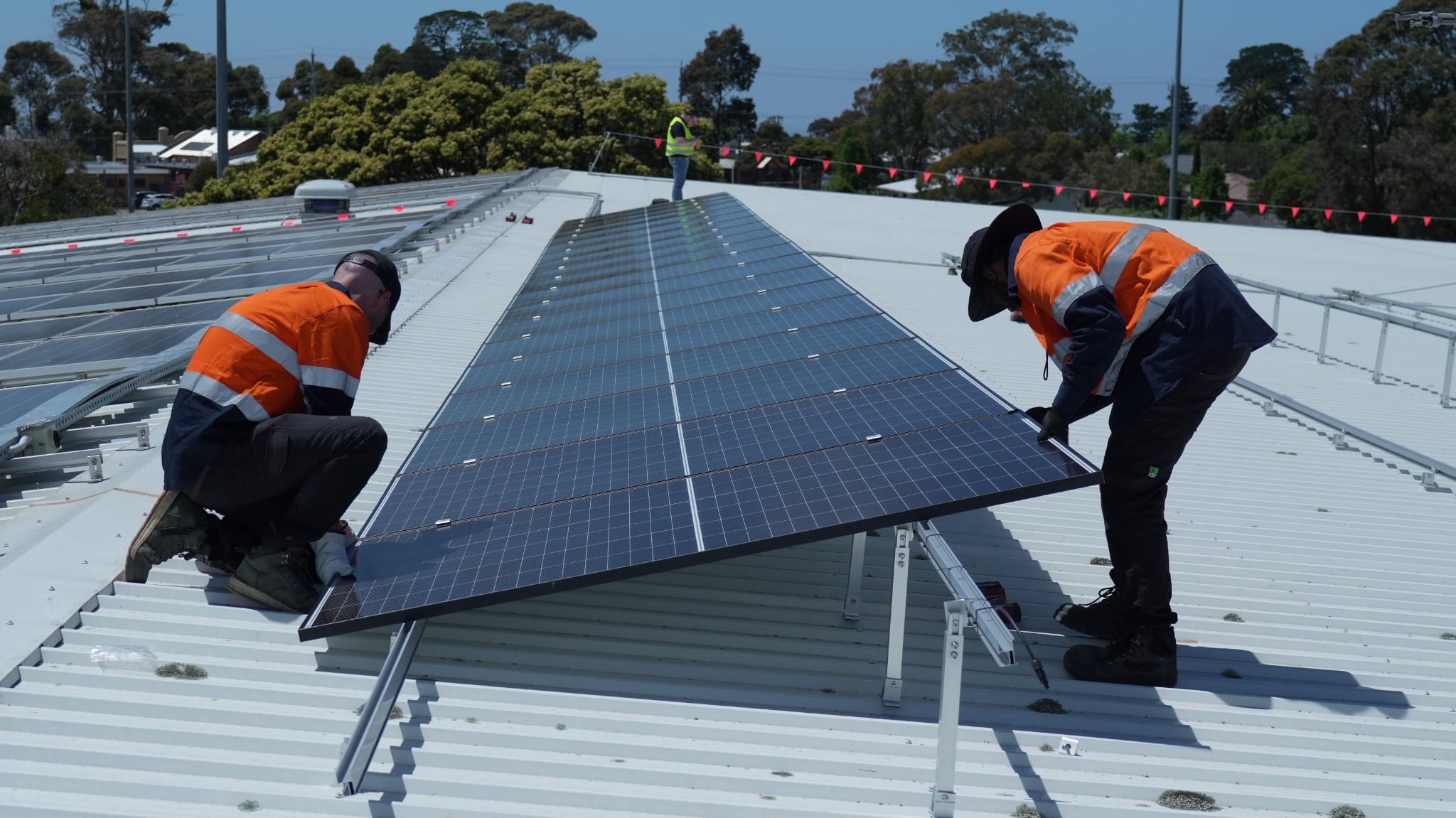
When the hot water goes cold on a Sunday, the last thing you want to do is compare five different systems. Before your next gas appliance gives up, work out what you’d replace it with. That’s what electrifying Australia looks like at home: swapping gas appliances for efficient electric ones, one upgrade at a time if that suits your budget.
There’s no need to rip out everything that still works. Start with what’s costing you the most, what’s nearing the end of its life, or what would make the house more comfortable. Here’s what that looks like for a Victorian household in 2026.
What should you switch first?
- Hot water: swap gas for a heat pump. A hot water heat pump takes heat from the surrounding air and uses it to warm water in a tank. If you have solar, you can often set it to run during the day. Check the tank size, where it’ll go and how much hot water your household uses. Read our hot water heat pump cost guide.
- Heating and cooling: replace gas heating with reverse cycle. A split system can heat and cool the rooms you use most. If you want several rooms covered, compare multiple splits with a zoned ducted reverse-cycle system. Get it sized for your home and how you use it, rather than simply matching the old heater. Compare ducted and split systems.
- Cooking: switch to induction. Induction heats the pan directly and responds quickly when you turn it down. A magnet is a handy way to check your cookware. Before buying, ask an electrician to check the circuit and switchboard.
- Solar: generate some of the electricity you’ll need. Solar doesn’t have to come first, but it helps to size it for the home you’re moving towards. If a heat pump or EV is on the cards, include that future use. A battery is optional; it can store spare solar for later if that suits your usage and budget.
- EV charging: plan around how far you actually drive. Work out how much charge you need overnight or when your solar is generating. A licensed electrician can check your supply and recommend a charger that suits the car and the house. You don’t need an EV or a charger to make your home all-electric. Victoria’s home EV charging guide.
What rebates are available in Victoria?
Solar Victoria’s Solar Homes Program offers eligible households up to $1,400 for rooftop solar, with an optional interest-free loan of up to the same amount. For eligible hot water systems, the rebate is up to $1,400 for qualifying locally made models or $1,000 for other eligible models. Standard eligibility rules include a household income cap. Check the separate conditions and get approval before installation. Solar panel rebate · Hot water rebate.
Victorian Energy Upgrades (VEU) offers discounts on eligible heat pump hot water, reverse-cycle heating and cooling, and induction cooktops replacing gas. The amount depends on the upgrade and provider. An eligible hot water upgrade can use both VEU and Solar Homes support, with the Solar Homes rebate calculated after other discounts. Ask for a written quote showing each incentive and what you’ll pay out of pocket. VEU household discounts.
If you’re considering a battery, check the federal Cheaper Home Batteries Program separately. Budget for a home EV charger as its own item rather than assuming it’s covered by the appliance rebates.
A Frankston home, before and after going electric
In May 2024, All Electric Homes helped a Frankston household replace ducted gas heating, instant gas hot water and a gas cooktop. The new setup included reverse-cycle heating and cooling, a hot water heat pump, induction cooking and 6.6 kW of rooftop solar.
The household had been paying about $3,800 a year for gas and electricity. Based on its energy use, All Electric Homes estimated the new annual electricity bill at about $700, a projected saving of $3,100 a year. The $700 was an estimate, not a full year of measured bills. It reflects the whole upgrade, including solar, rather than the savings from any single appliance. Read the Frankston case study in Money magazine.
Start with your own bills
Pull out your last 12 months of gas and electricity bills and make a list of the appliances still running on gas. If you’re upgrading in stages, check what electrical work can be done together. Once the last gas appliance is gone, ask about ending your gas supply charges and permanently disconnecting the service.
Better energy bills start with a better plan. The best place to start? Your own energy bills. Use the free All Electric Homes upgrade calculator to see which upgrades make sense for your home.